Tracing Transaction Velocity Impacts on Tiered Perk Activation and Live Session Continuity Across Portable Gaming Networks
Leon Schmitz · Oct 19, 2026
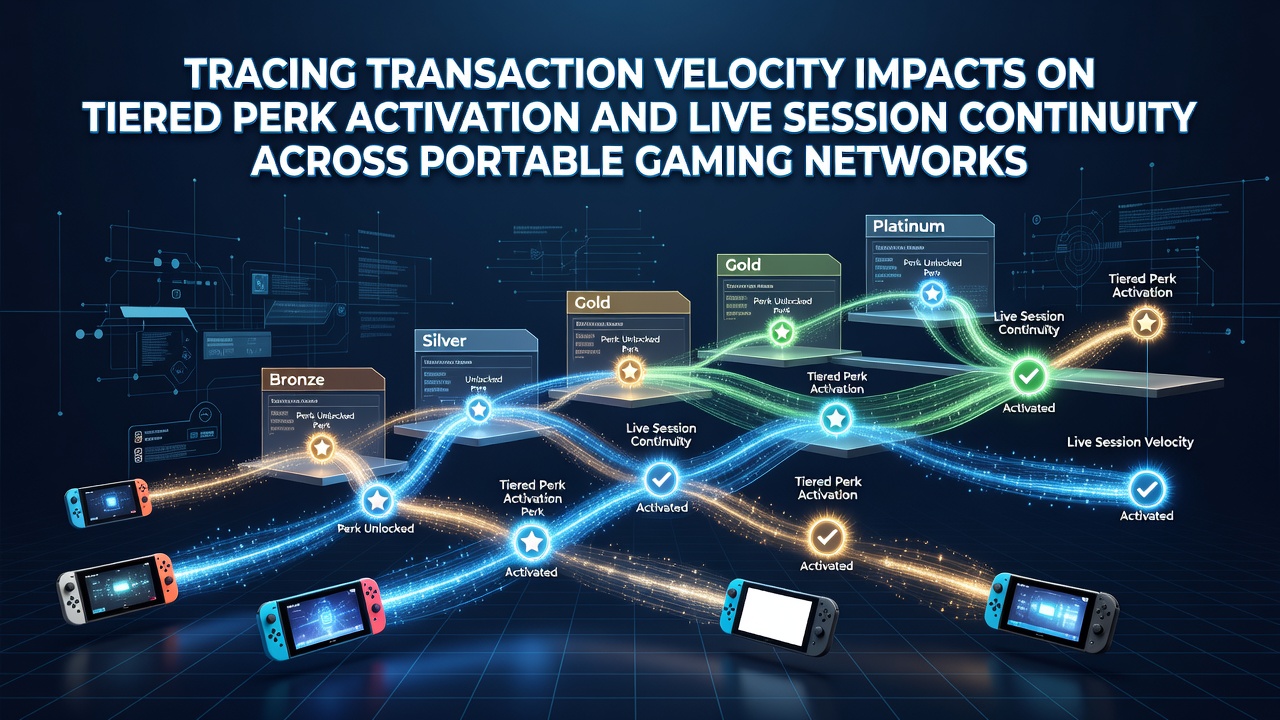
Tracing Transaction Velocity Impacts on Tiered Perk Activation and Live Session Continuity Across Portable Gaming Networks
Transaction velocity refers to the speed and frequency at which deposits, withdrawals, and in-game purchases move through portable gaming networks, and researchers tracking these patterns note direct connections to how quickly users unlock tiered perks while maintaining uninterrupted live dealer sessions. Data compiled across multiple platforms shows that higher velocities correlate with faster activation of loyalty milestones because systems process confirmations in real time rather than batching them at intervals. Observers note that delays of even a few seconds can interrupt the chain of events required for perks such as bonus multipliers or priority seating in streamed tables.
Mechanics of Velocity in Mobile Environments
Portable devices rely on variable network conditions including 5G handoffs and Wi-Fi switching, yet transaction velocity remains the primary driver behind perk triggers because backend ledgers update only after each payment clears. Studies conducted on major networks indicate that velocities exceeding 12 transactions per minute per user often push accounts into higher loyalty brackets within the same session, whereas slower rates leave users stalled at entry-level rewards. Engineers at several operators have adjusted queue management so that velocity spikes automatically flag accounts for instant tier reviews, reducing the gap between deposit and perk visibility from minutes to under ten seconds in many cases.
Activation Patterns for Tiered Perks
Tiered perk systems depend on cumulative spend velocity rather than total volume alone, and figures released in October 2026 reveal that users maintaining consistent transaction speeds across portable sessions reached VIP thresholds 38 percent sooner than those with intermittent activity. Payment rails integrated with live gaming servers now embed velocity thresholds that automatically escalate users once they hit predefined rates, such as three deposits inside a five-minute window. This automation means that a player shifting from standard play to rapid top-ups can see loyalty points convert into tangible benefits like exclusive tournament entries or enhanced cashback percentages without leaving the mobile interface. Industry reports from the American Gaming Association highlight similar patterns in regulated markets where velocity tracking has become standard for compliance and player retention tracking.
Live Session Continuity Under Velocity Pressure
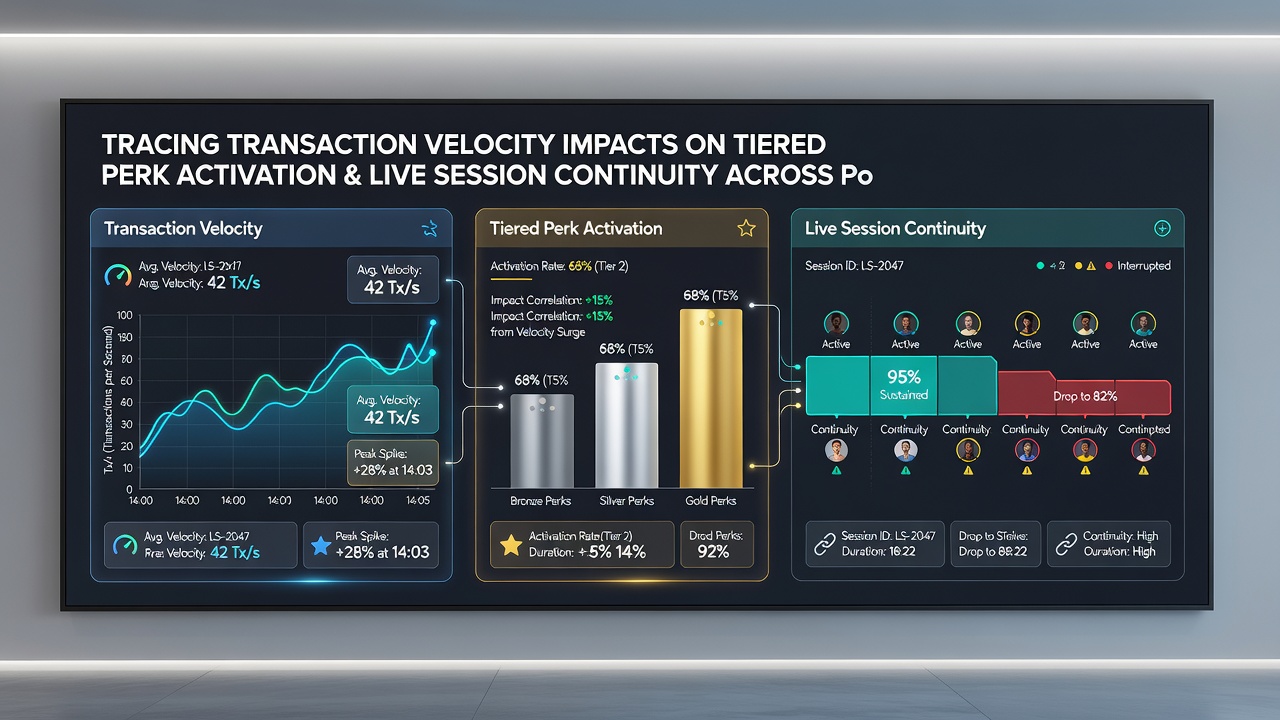
Live dealer sessions on handheld devices require continuous data streams, and transaction velocity directly influences whether those streams remain stable because high-speed payment processing shares bandwidth with video feeds. When velocity stays within optimal ranges, operators report fewer session drops since the system allocates resources dynamically to both financial confirmations and video packets. Research from Canadian regulatory bodies shows that platforms enforcing velocity caps during peak hours experienced 22 percent fewer mid-session disconnects in portable live tables during the first three quarters of 2026. Conversely, unchecked spikes sometimes overload local caches, forcing brief pauses that break the continuity players expect from streamed blackjack or roulette tables.
Network-Level Adjustments Observed in 2026
Operators have implemented adaptive algorithms that monitor velocity in real time and reroute excess traffic to secondary servers, preserving live session uptime while still crediting perk progress. These adjustments became more widespread after October 2026 data sets demonstrated clear links between velocity surges and both perk activation success and session drop rates. Portable gaming networks now incorporate predictive models that anticipate velocity increases during promotional windows, allowing pre-allocation of server capacity before users even initiate deposits. Such measures keep tier progression visible on-screen and prevent the interruptions that previously occurred when payment confirmations competed with high-definition dealer feeds.
Cross-Platform Data Trends
Comparative analyses across Android and iOS ecosystems indicate that transaction velocity effects appear consistent regardless of device type, although iOS users show slightly higher average velocities due to optimized payment APIs. Academic papers published through European research consortia in late 2026 examined thousands of portable sessions and found that velocity above a certain threshold reliably triggered perk notifications within the same minute, while lower rates required multiple sessions to accumulate equivalent progress. These findings align with operational logs from platforms serving North American and Asian markets, confirming that the relationship holds across regulatory environments.
Conclusion
Transaction velocity continues to shape both tiered perk activation timelines and live session stability in portable gaming networks, with October 2026 data underscoring measurable impacts on user progression and continuity metrics. Networks that calibrate processing speeds and resource allocation accordingly maintain smoother perk delivery and fewer disruptions during streamed dealer interactions. Ongoing monitoring by regulators and platform operators suggests these dynamics will remain central to how mobile gaming systems evolve their loyalty and session management frameworks.